
7 T-Money Card Mistakes Foreign Tourists Make in Korea
If you are visiting Korea for the first time, the T-Money card feels simple at first. Tap in, tap out, get on the bus, done. That is exactly why so many travelers make small mistakes with it. I have seen friends lose time at subway gates, miss transfer discounts, and even assume the card worked the same way everywhere. None of these mistakes are dramatic, but they add up fast when you are tired, jet-lagged, and trying to get across Seoul with luggage.
This guide is written the way I would explain it to a friend landing in Korea for the first time. Not robotic. Not overcomplicated. Just the stuff that actually matters when you are using public transportation every day and do not want your trip derailed by avoidable card problems.
💡 5 things to check before you depend on your T-Money card
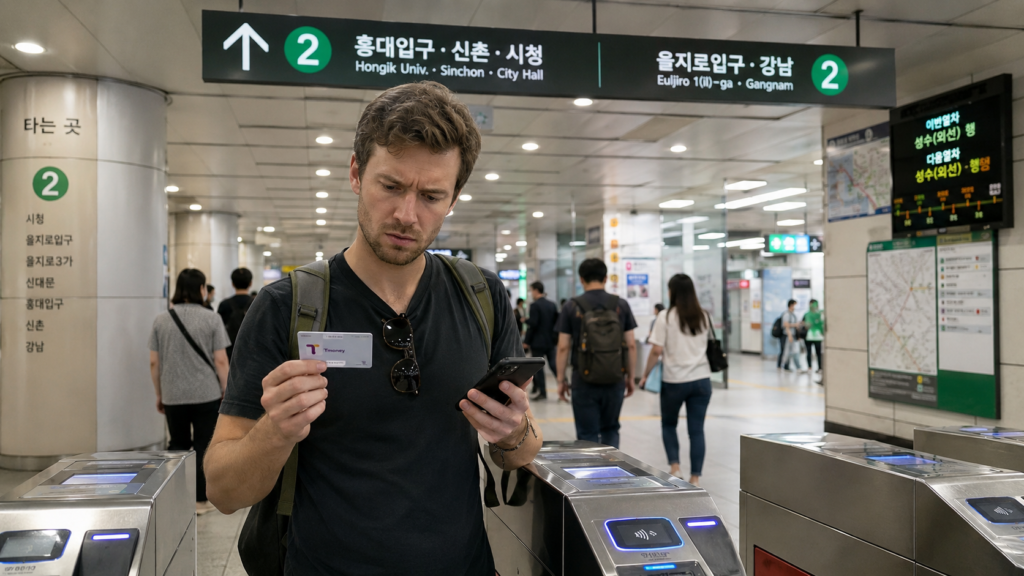
Before we get into the mistakes, here are the five things I always tell people to understand first. This is the difference between using a T-Money card casually and using it smoothly.
1. Know that it is more than a subway card
A lot of visitors think of T-Money as just a train card. In real life, you will probably use it most on buses, subway transfers, and quick day-to-day transit decisions. That matters because many of the mistakes happen during transfers, not on the first ride.
2. Understand that transfer rules matter
On one of my early Seoul trips, I used to stop for coffee between rides and wondered why my transport cost felt weirdly higher. Later I realized I had been casually breaking the transfer window.
3. Do not assume every discount is automatic
4. Special tourist products are not the same as a regular card
5. Use official guidance when you are unsure
Check the official T-Money foreigner guide
📊 The most common T-Money card mistakes foreign tourists make in Korea
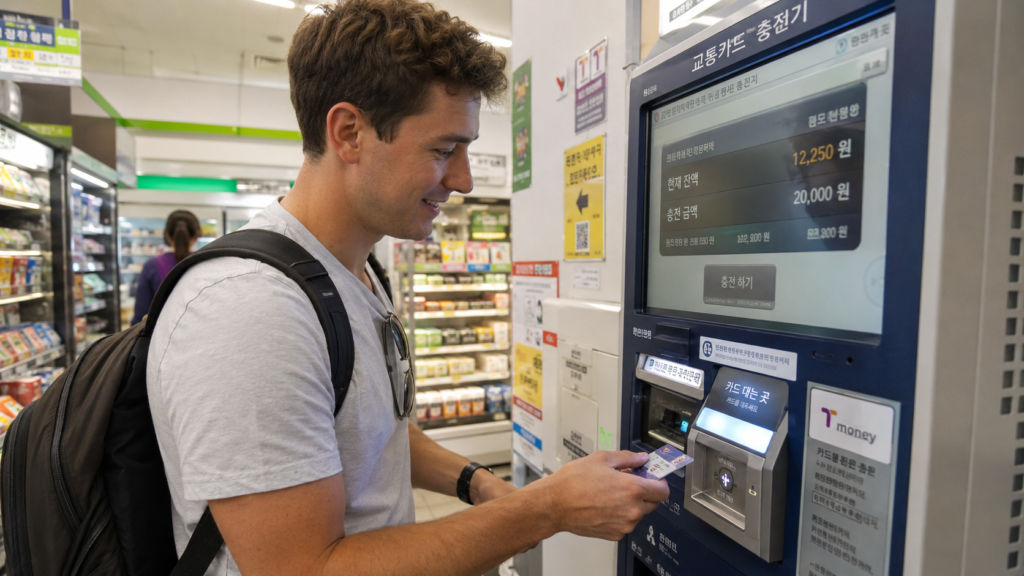
1. Treating it like a one-purpose card
The first mistake is mental. Travelers often think, “I only need this for the subway.” Then they end up taking buses without understanding how much easier the card makes transfers. In Seoul especially, buses can save a surprising amount of walking time. Once you start using both buses and subways together, the card becomes much more useful.
2. Missing transfer discounts by taking too long
My personal rule in Seoul is simple: if I think I am transferring, I keep moving first and snack later.
3. Assuming child or teen fares apply automatically
4. Not knowing there are different T-Money-type products
5. Waiting until the problem happens to look up the rules
This sounds obvious, but it happens constantly. Most card confusion happens when you are already in motion: at a gate, on a bus, or right after landing. I always tell people to skim the official guide before day one, not after the first transit headache.
📌 Smart habits that make T-Money much easier to use
These are the habits that make the biggest difference on an actual trip:
- Decide early whether you are transferring or taking a break. Do not accidentally do both.
- Keep a little buffer in your schedule. Rushing causes more mistakes than people think.
The travelers who seem “good at Korea” are usually not doing anything fancy. They just understand the basics before they get on the first train.
🧾 Quick comparison table: mistakes and easy fixes
| Mistake | What happens | Simple fix |
|---|---|---|
| Using T-Money like a subway-only card | You miss easier bus-subway travel patterns | Plan buses and subways together |
| Taking too long during transfers | You can lose transfer discount eligibility | Stay within the transfer window |
| Assuming child fares are automatic | The rider may be charged full fare | Register birth date as instructed |
| Confusing regular cards with tourist products | Refund expectations may be wrong | Check product-specific terms first |
| Reading unofficial advice only | You may follow outdated or incomplete tips | Use Visit Korea and T-Money official pages |
💰 Why these small mistakes matter more than people think
None of these mistakes sounds huge on paper. But travel friction in Korea tends to stack. Missing one transfer discount is not a disaster. Doing it several times over a week, while also losing time checking routes and standing confused near the gate, changes the feel of your day.
In practical terms, avoiding these mistakes can save:
- 10 to 20 minutes a day in unnecessary transit hesitation
The real benefit is not just money. It is mental energy. When your transport routine works, Korea feels much easier very quickly.
Final thoughts
The T-Money card is one of the best tools you can have in Korea, but only if you understand the basics before problems happen. In my experience, the tourists who enjoy Korea the most are not always the ones with the most detailed itinerary. They are the ones who remove the small daily frustrations early.
If you remember just three things, make it these: keep transfers tight, do not assume discounts are automatic, and check the exact rules of the card product you are using. That alone will prevent most of the annoying mistakes I see first-time visitors make.
❓ FAQ
Q1. Do T-Money transfer discounts really have a time limit?
Yes. T-Money’s foreigner guide says transfers are generally valid within 30 minutes, and within 1 hour from 9 p.m. to 7 a.m. the next day.
Q2. Does a child automatically get child fare with any T-Money card?
Not necessarily. T-Money says children and teenagers using a full-fare card need birth date registration to receive the correct concession fare. {index=17}
Q3. Are all T-Money products basically the same?
No. Tourist-oriented products can have separate conditions. The foreigner-only Mpass page, for example, has its own deposit and refund rules. {index=18}
Q4. What is the safest source to check before my trip?
The most reliable starting points are the official Korea Tourism Organization website and the T-Money foreigner guide.
Q5. Is this something I really need to worry about before landing?
Not obsess over, but yes, it helps. Even five minutes spent reading the basic rules can make your first transit day in Korea much smoother.
You Might Also Like:Why Google Maps Does Not Work Well in Korea